

You’ve probably heard that eating healthy is expensive. And with the wellness industry constantly pushing pricey powders, trendy snacks, and “superfoods,” it’s no wonder so many people feel overwhelmed. But the truth? Eating well-balanced meals is possible on any budget, with a little planning and intentionality.
healthy eating on a budget
Let’s Get Real: Healthy Doesn’t Have to Mean High-Cost
One of the most common things I hear in my work with clients is, “I want to eat healthier, but I just can’t afford it.” There’s often a perception that nutritious food has to come from specialty health store items or high-priced, organic ingredients. When the truth is, you can eat in a way that aligns with your health goals without overspending.
When I support clients around this topic, we focus on meeting them where they are. Not just their financial budget, but their time, energy, cooking skills, and mental bandwidth. I remind them: nourishing your body isn’t about perfection. It’s about sustainability, consistency, and balance.
Healthy Eating on a Budget
Here are some gentle, grounded strategies to help you feel more confident about healthy eating, even when money (or time) feels tight:
Build simple, balanced meals.
A well-rounded plate doesn’t need to be complicated. Aim for:
- A protein (like chicken, tofu, eggs, beans)
- A carbohydrate (rice, potatoes, or whole grain bread)
- A healthy fat (olive oil, avocado, nuts)
- At least one fruit or vegetable
Yes, even scrambled eggs, toast, and a handful of baby carrots count. We all have that inner voice that shows up at the end of a long day that says, “Just order takeout,” or “You’re too tired to cook,” or “One night won’t hurt.”
Honestly, sometimes that voice has a point. Life gets busy, and food choices are very tied to energy, emotions, and convenience. However, when that voice becomes the default, it can lead to a cycle of fatigue, low energy, financial stress, and feeling disconnected from your health goals.
Instead of fighting that voice or trying to shut it down, try meeting it with curiosity and compassion.
Ask yourself, “What am I really needing right now?” and “What’s the smallest way I can care for myself through food?”
You might realize you don’t need to cook an elaborate meal. You just need something warm, simple, and nourishing. Reframing your inner dialogue can shift you from reacting to stress with automatic decisions to responding with care.
healthy eating on a budget
Meeting Yourself Where You Are: Practical Tips for Eating Well
After naming the mental and emotional blocks that come with food choices, the next step is offering yourself gentle support. These grounded strategies are here to help you eat well without pressure: just small, doable shifts that bring more ease, nourishment, and sustainability into your day.
🛒 Make a grocery list before shopping.
Taking just five minutes to plan your meals and write a list can save you money, time, and stress. It helps avoid impulse buys, reduce food waste, and keeps you focused on what you actually need.
🥘 Batch cook when you can.
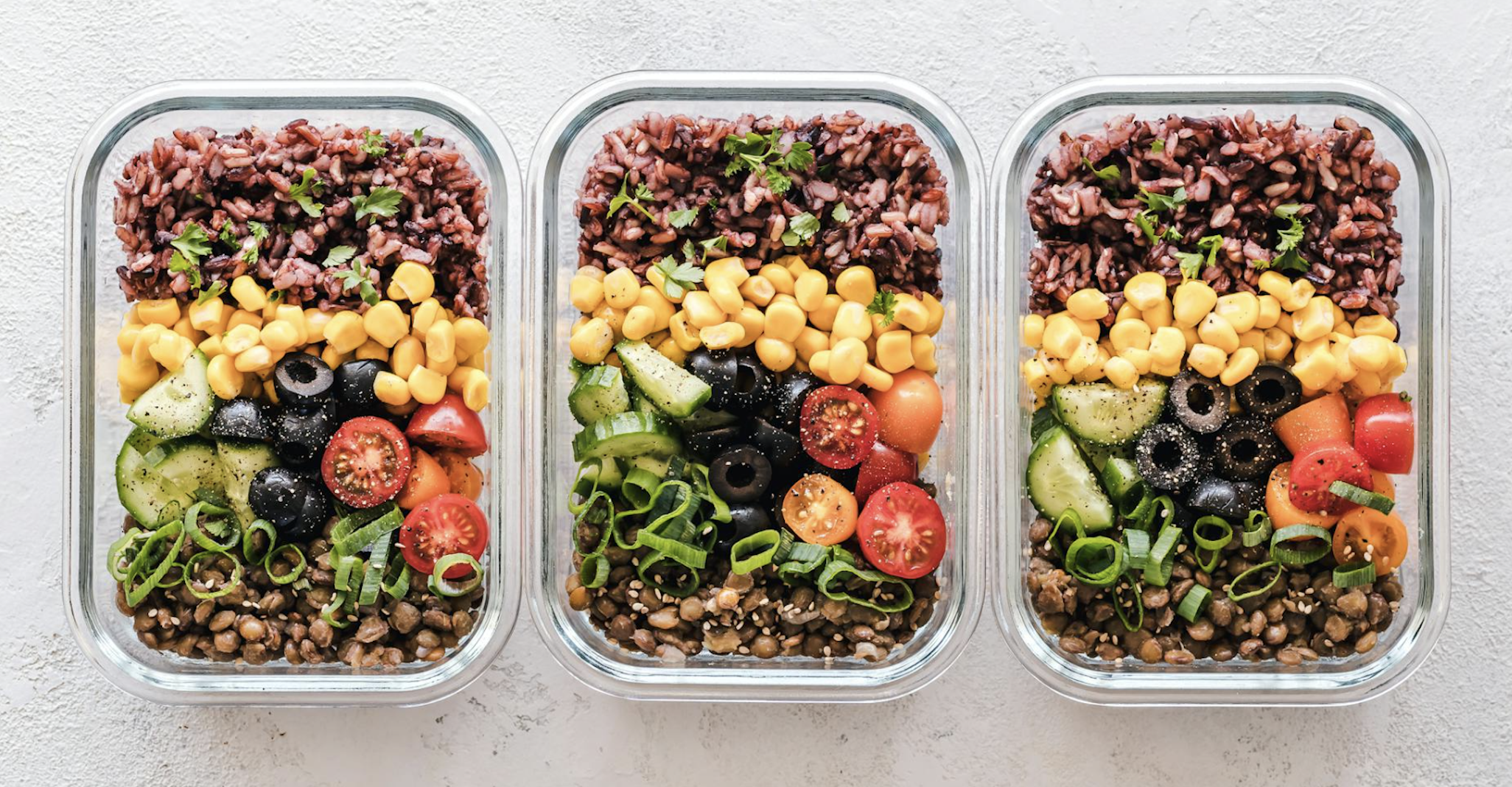
Roast a sheet pan of veggies, cook a big pot of rice or quinoa, and prep protein options like chicken or tofu. Mix and match throughout the week to create bowls, salads, or wraps with minimal extra effort.
🧂 Buy in bulk and look for store brands.
Staples like dry beans, oats, canned tomatoes, tuna, and frozen vegetables are often cheaper in larger quantities and keep well in the pantry or freezer.
🌱 Choose more plant-based proteins.
Lentils, chickpeas, tofu, peanut butter, and eggs are all budget-friendly, nutrient-rich options that can stretch your grocery dollar and diversify your meals.
❄️ Use frozen and canned options.
Frozen fruits and vegetables are just as nutritious as fresh and don’t spoil quickly. Canned goods (like beans, tomatoes, and fish) are affordable staples, just choose low-sodium versions or rinse before using.
💡 Prevent food waste.
Use what you already have! That half-wilted bag of spinach? Toss it into a smoothie or soup. Leftover rice? Make stir-fry or fried rice. Small portions of leftovers can be combined or transformed into something new.
📆 Plan meals around sales and seasons.
Check weekly grocery ads. Let sales inspire your meal plan, especially for proteins and produce. In-season fruits and veggies tend to be both fresher and more affordable.
Final Thoughts: Let Go of the Guilt
Many folks carry shame about not eating “the right way” or feeling like they’ve failed because they can’t afford the latest wellness trend. But here’s the truth: food doesn’t need to be expensive to be nourishing. You don’t need to spend $200 at a health food store to honor your body.
Marketing often tells us that health is tied to cost—that the more expensive something is, the better it must be. But a banana, some oats, and a spoonful of peanut butter might be the most nutrient-dense, budget-friendly breakfast out there.
The Power of Planning with Compassion
Affordable eating isn’t just about saving money. Healthy eating on a budget is about creating a rhythm that works for your life. When you honor your energy (whether that means using shortcuts like frozen veggies or making the same meal twice in one week) you’re more likely to stay consistent and avoid costly takeout, waste, or burnout.
Meal planning doesn’t have to be rigid or time-consuming. Even loosely sketching out 2–3 meals for the week can reduce food waste, save money, and offer a sense of ease and clarity when mealtime comes around.
Above all, remember: eating well is not about perfection. It’s about finding what works for you—financially, emotionally, and practically. You’re allowed to eat in a way that nourishes both your body and your life.
healthy eating on a budget
More About the Author
Ready to find your perfect fit and start your wellness journey today? Schedule A Consultation Call Today Here
Meet the Founder
Jenn is the amazing founder behind Thrive Ahead Co. and is a licensed clinical professional counselor. Currently, she is accepting clients for her career counseling services. Jenn is an active guide for her clients, is involved, approachable and attentive.
“You can bet that in a tough session, we’ll still find ways to connect with humor as I truly believe when used well it’s one of the most integrating skills we can have, to know and hold this lightness at the same time as the seriousness and even pain that life brings us.” Schedule A Consultation Call Today Here
healthy eating on a budget, healthy eating


