

When was the last time you did something simply because you enjoyed it?
Not because it was productive. Not because it helped you get ahead. Not because it checked a box on your to-do list. Just because it brought you joy.
For many of us (myself included), that question is surprisingly difficult to answer.
Somewhere between work responsibilities, household tasks, appointments, caregiving, and the endless stream of life admin, leisure often becomes the first thing that falls off our plates. We tell ourselves we’ll make time for hobbies when things calm down, the project is finished, the kids are older, we’re less stressed, or when we finally catch up.
But for most of us, “caught up” never actually arrives.
In occupational therapy, we view leisure differently than many people might expect. Leisure – or what you do for fun – isn’t simply a reward for productivity. It’s considered a meaningful occupation. While many people hear the word occupation and think of a job, occupational therapists use it to describe the everyday activities that occupy our time and give our lives meaning. Leisure activities are one of those occupations, contributing to our health, well-being, identity, and overall quality of life.
In simple words, it matters.

Why Leisure Often Feels So Hard
Many of us have absorbed messages that productivity equals worth.
We celebrate achievement, efficiency, and accomplishment. We learn to prioritize obligations and responsibilities. Over time, activities that don’t have a measurable outcome can start to feel unnecessary or even indulgent.
You might recognize thoughts like:
- “I should be doing something more productive.”
- “I haven’t earned a break yet.”
- “There’s too much to do.”
- “I’ll do that later when I have more time.”
The challenge is that leisure isn’t just about having free time. It’s about allowing ourselves permission to use that time differently.
Sometimes the barrier isn’t scheduling. It’s our mindset.
Leisure Supports More Than Enjoyment
When people think about leisure, they often imagine hobbies or entertainment. While those can certainly be part of it, leisure serves a much larger purpose.
Meaningful leisure activities can:
- Support stress management and recovery
- Improve mood and emotional well-being
- Strengthen relationships and social connection
- Increase creativity and problem-solving
- Reinforce identity outside of work or caregiving roles
- Create opportunities for rest, play, and fulfillment
Leisure reminds us that we are more than our responsibilities. No matter what society is telling us.
When life becomes centered entirely around obligations, it’s common to feel depleted, disconnected, or stuck in survival mode. Leisure helps restore balance.

Leisure Doesn’t Have to Be Productive
One of the biggest misconceptions about leisure is that it needs to be impressive.
Let’s clear that up – you do not need to start a business, master a skill, train for a marathon, or monetize your hobby.
Leisure can be simple, and purely just for fun. Things like:
- Reading a novel
- Working in the garden
- Listening to music
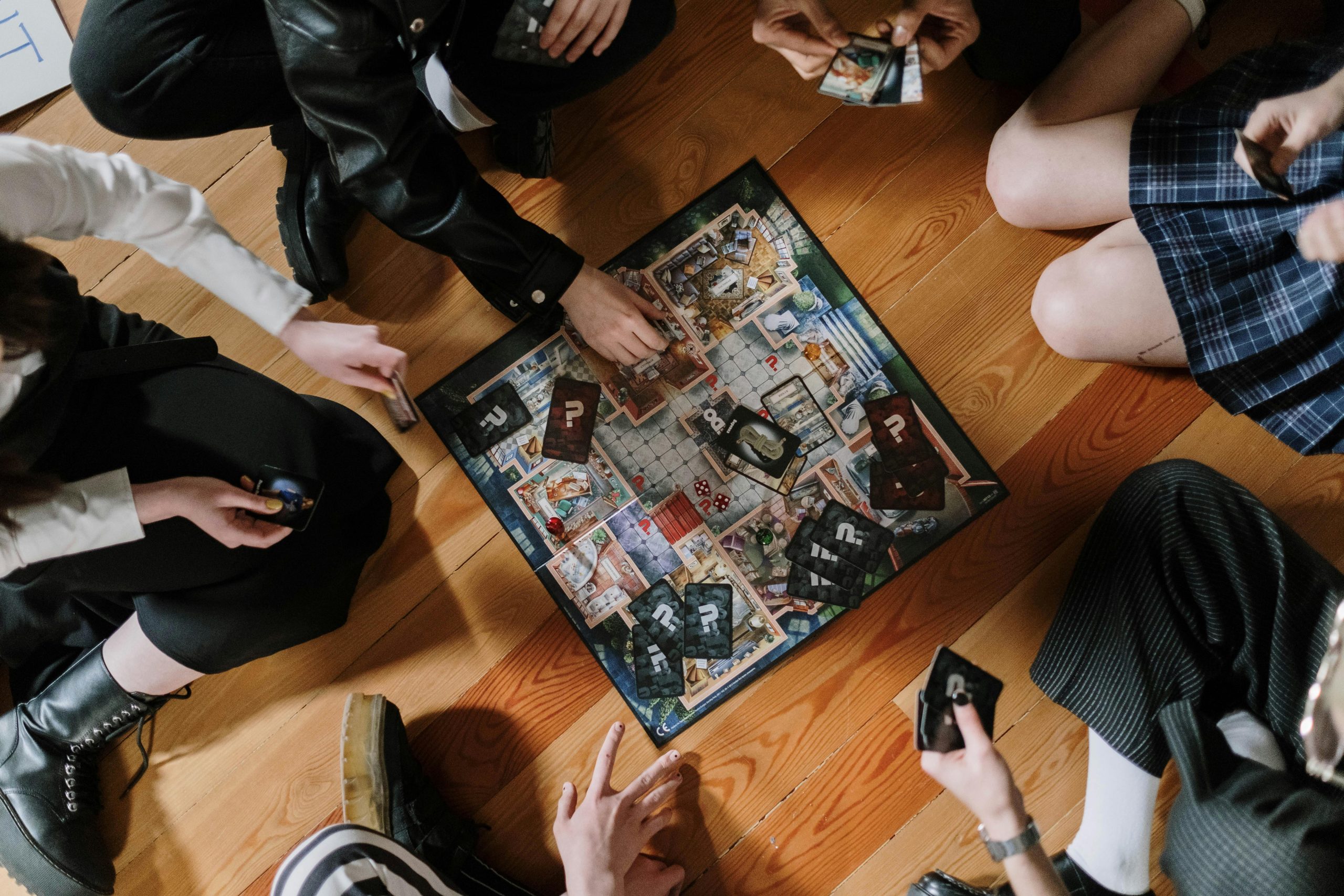
- Playing a game
- Walking without a destination
- Sitting on the patio with a cup of coffee
- Trying a new recipe
- Browsing a bookstore
The value of your leisure activities isn’t found in the outcome. It’s found in the experience.
Reconnecting With Joy
If you’re not sure what leisure looks like for you anymore, you’re not alone. Many adults have spent so much time focused on responsibilities that they’ve lost touch with activities they genuinely enjoy. And the truth is, you don’t need hours of free time or a perfectly organized schedule to begin reconnecting with those parts of yourself again.
Instead of asking what hobby you should pick up, try asking yourself:
- What activities make me lose track of time?
- What did I enjoy before life became so busy?
- What have I been curious about lately?
- What helps me feel more like myself?
- What sounds fun, even if I’m not good at it?
Notice that none of these questions involve productivity. That’s intentional.
Leisure doesn’t have to be elaborate to matter. Ten minutes spent reading, a short walk after dinner, browsing a bookstore, or starting a creative project that never gets finished all still count. Small moments of joy and connection are meaningful too.
Leisure isn’t something that happens after life is perfectly managed. It’s one of the things that helps life feel meaningful while we’re living it. So if you’ve been waiting until everything is done before making room for joy, consider this your permission to stop waiting. The dishes will still be there tomorrow. The email can wait ten minutes.
Closing Thoughts
In a culture that constantly encourages us to optimize, produce, and stay busy, leisure can start to feel optional or even undeserved. But meaningful leisure isn’t wasted time. It’s part of what helps us feel connected to ourselves, our relationships, and the life we’re actively living.
You don’t need to earn rest, joy, creativity, or play. And you don’t need to be “good” at leisure for it to matter. Sometimes, making room for even small moments of enjoyment can be a meaningful step toward feeling more grounded, balanced, and like yourself again.
If this feels difficult, you’re not alone. Reconnecting with joy often starts slowly, with curiosity instead of pressure.
Reflection Prompts
- What’s something you used to enjoy that you haven’t made time for recently?
- When do you feel most like yourself outside of work or responsibilities?
- What activities help you feel rested, grounded, or energized?
- What beliefs do you hold about productivity and rest?
- What’s one small way you could make room for joy this week?

Meet the Author
Meet the Founder
Jenn Graus is the incredible founder behind Thrive Ahead Co. and a licensed clinical professional counselor. Jenn is an active guide for her clients, is involved, approachable and attentive.
“You can bet that in a tough session, we’ll still find ways to connect with humor as I truly believe when used well it’s one of the most integrating skills we can have, to know and hold this lightness at the same time as the seriousness and even pain that life brings us.”
(Neurodivergence)(Neurodivergence) neurodivergence. Neurodivergence


